

Purpose
Community Environment and Climate Action Program (CECAP) is a grassroots initiative designed to empower local communities to take meaningful action against climate change and environmental degradation. Through education, collaboration, and hands-on projects, CECAP supports Canada’s climate goals while ensuring that solutions are inclusive, equitable, and rooted in community values.
With increasing climate-related challenges, such as extreme weather, wildfires, and biodiversity loss, CECAP mobilizes residents, especially youth, seniors, and marginalized groups, to build resilient, sustainable communities.
Alignment with National Goals
CECAP supports Canada’s 2030 Emissions Reduction Plan, the Pan-Canadian Framework on Clean Growth and Climate Change, and the goal of net-zero emissions by 2050. It also integrates environmental justice, Indigenous knowledge, and sustainability principles into all activities.
Objectives
Reduce Local Greenhouse Gas Emissions
Promote low-carbon practices in transportation, energy use, food systems, and waste management.Advance Renewable Energy and Green Innovation
Encourage community adoption of solar, wind, and other clean energy solutions, and support local green tech initiatives.Build Climate Resilience
Equip communities with knowledge and tools to prepare for and adapt to climate-related risks.Protect Local Ecosystems and Biodiversity
Engage in conservation efforts to restore and protect forests, wetlands, and wildlife habitats.Empower Community-Led Climate Action
Foster environmental leadership among youth, seniors, and underrepresented groups through education and engagement.
Key Activities
Local Climate Projects
Support initiatives like tree planting, community gardens, green building retrofits, and waste reduction programs.Environmental Education & Awareness Campaigns
Host workshops, forums, and campaigns on energy conservation, sustainable living, and climate literacy.Collaborative Partnerships
Work with Indigenous communities, schools, faith groups, and local governments to co-create solutions and share knowledge.Green Jobs & Skills Development
Offer training in renewable energy, conservation, and climate adaptation, targeting youth and equity-deserving populations.Youth Climate Leadership
Launch school-based programs, mentorships, and youth summits to cultivate future environmental leaders.Community-Based Research & Advocacy
Conduct local studies and advocate for policies that reflect community needs and environmental priorities.
Expected Outcomes
Reduced Community Carbon Footprint
Measurable decreases in emissions through sustainable practices and infrastructure upgrades.Greater Adoption of Clean Energy
Increased use of solar panels, energy-efficient appliances, and green technologies in homes and community spaces.Resilient and Prepared Communities
Enhanced capacity to respond to climate emergencies and long-term environmental changes.Restored and Protected Natural Spaces
Improved air and water quality, healthier ecosystems, and thriving biodiversity.Engaged and Informed Citizens
More residents actively participating in environmental stewardship and climate advocacy.Growth in Local Green Economy
New opportunities in green jobs and eco-entrepreneurship, contributing to both economic and environmental sustainability.
Upcoming Events
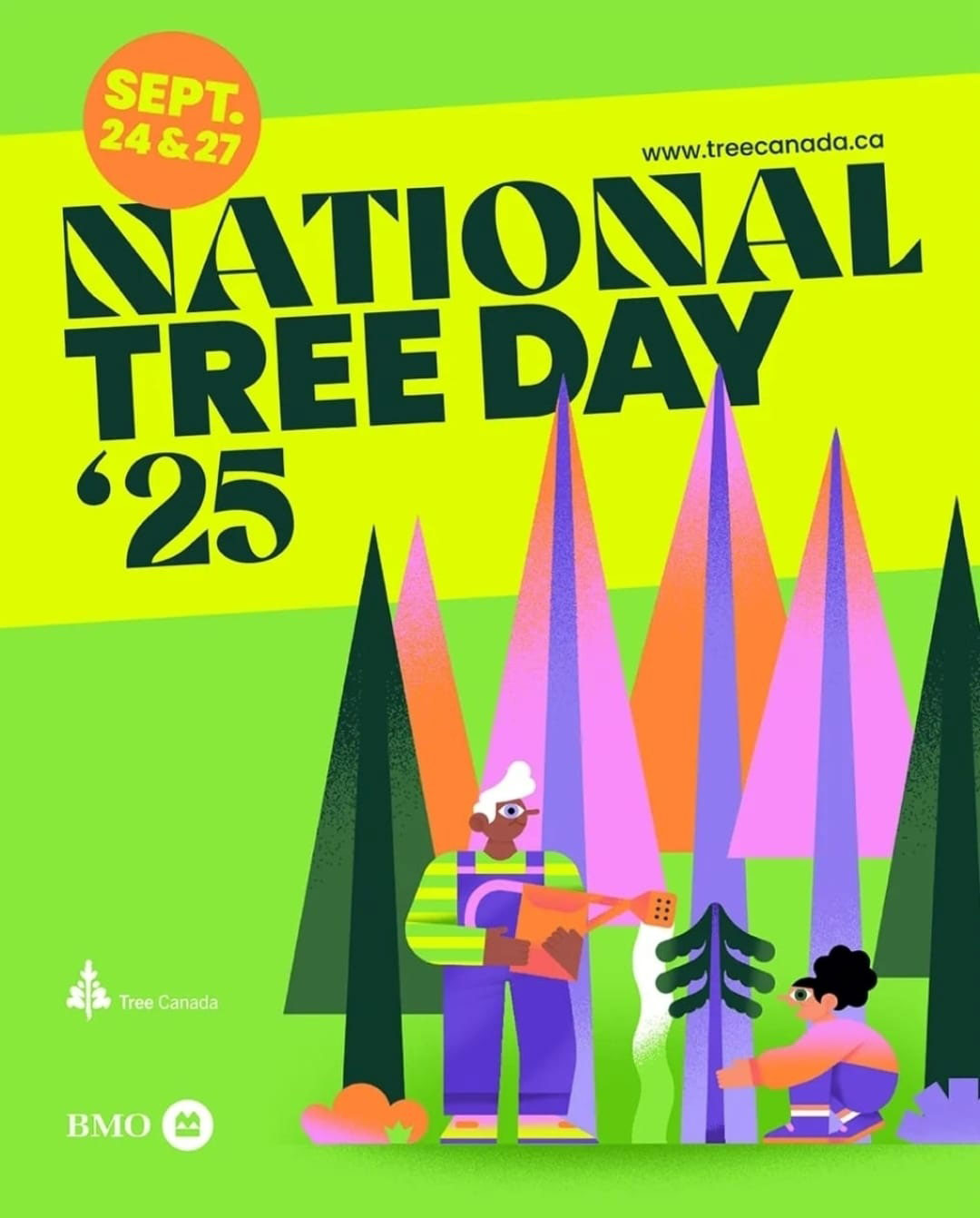
National Tree Day 2025

Arbor Day 2026